
Field to Feast



 0
0 0
0 0
0 0
0 0
0
Thinking about trying a 30-day carnivore diet challenge? This guide walks you through what to eat, how to prepare, what changes to expect, and how to get through the first month with confidence.

View all 0 comments
 0 0 0 0 0
The food on your plate may look the same as it did decades ago, but research suggests it may not provide the same nutrition. As atmospheric carbon dioxide levels rise, many crops are producing more carbohydrates while losing important nutrients such as iron, zinc, and protein. Scientists warn this trend could contribute to "hidden hunger," where people consume enough calories but still lack the nutrients needed for good health. Discover how changing growing conditions are affecting the food supply and why sourcing nutrient-dense foods from the field, garden, and wild harvest may be more important than ever.

View all 0 comments
 0 0 0 0 0
Eating like our ancestors is about more than nostalgia. It means choosing whole foods, honoring the seasons, learning where meals come from, and building a stronger connection to the land. From garden rows to game trails, this way of eating can improve health, sharpen practical skills, and bring real satisfaction back to the table.
View all 0 comments
 0 0 0 0 0
Choosing between annual vs perennial flowers is about more than color. In a working homestead garden, flowers can feed pollinators, draw beneficial insects, fill empty spaces, and build a landscape that feels alive from spring through frost. Here’s how to decide which blooms earn their place.
View all 0 comments
 0 0 0 0 0
Starting a homestead can feel like stepping into a different kind of life, one built on work, patience, and the steady satisfaction of feeding yourself well. This beginner’s guide walks through the essentials of choosing land, planning a garden, preserving food, raising animals, and building the skills that turn a dream of self-reliance into something real.
View all 0 comments
 0 0 0 0 0
The best books for learning foraging do more than name plants. They teach observation, caution, seasonality, and respect for the land. In this guide, I share the foraging books that are truly worth owning, why they matter in the field, and how to build a reference library that helps you gather wild food with confidence.
View all 0 comments
 0 0 0 0 0
A good fire rarely starts with luck. It starts with the right tinder. In this guide, I’ll walk through the best tinder materials found in the wild, how to spot them in different conditions, and how to use them when the weather turns cold, wet, and unforgiving.
View all 0 comments
 0 0 0 0 0
Composting is one of the most useful skills a homesteader can learn. In this guide, you’ll learn how to start a compost pile, balance greens and browns, avoid common mistakes, and turn everyday waste into rich, living soil for a more productive garden.
View all 0 comments
 0 0 0 0 0
Cooking with cast iron outdoors is one of the most reliable ways to turn a fire and a few honest ingredients into a memorable meal. This guide covers how to use, season, clean, and cook with cast iron in camp and on the homestead, with practical advice from the field.
View all 0 comments
 0 0 0 0 0
When you’re alone in the woods, securing safe drinking water becomes one of your most critical survival priorities. The first step is collecting water from the best source available. Flowing water—such as a stream or creek—is generally safer than stagnant water like ponds or puddles, though no natural source should be considered safe without treatment. Rainwater can also be collected using tarps, leaves, or improvised containers, and melting snow or ice is another option (though it should still be treated). Always try to gather water upstream from human activity or animal trails, and avoid areas where water appears oily, discolored, or foul-smelling.
Once collected, the water should be filtered to remove sediment, insects, and organic debris. In a survival situation, this can be done by pouring the water through layers of cloth, bandanas, or even natural materials like sand, charcoal from a fire, and small stones layered in a container. Filtration alone does not remove bacteria, viruses, or parasites, but it significantly improves clarity and makes disinfection more effective. Clear water heats more evenly and allows chemical treatments to work properly, reducing the risk of illness.
The final and most important step is disinfection, which kills harmful microorganisms. Boiling is the most reliable method: bringing water to a rolling boil for at least one minute (or longer at higher elevations) will neutralize most pathogens. If fire is unavailable, chemical methods such as iodine tablets, chlorine drops, or even unscented household bleach (used sparingly and carefully) can be effective. Sunlight can disinfect water through a method called solar water disinfection (SODIS), which uses UV radiation and heat to inactivate many bacteria, viruses, and parasites—but it takes hours, not minutes, and conditions matter. By consistently collecting wisely, filtering thoroughly, and disinfecting carefully, you can greatly reduce the risk of waterborne illness and improve your chances of long-term survival in the wild.
View all 0 comments
 0 0 0 0 0
Making lye from campfire ash is an old survival and homesteading technique that produces a strong alkaline solution traditionally used for soap making, food preparation (like nixtamalization), and cleaning. It must be done carefully, because lye is highly caustic and can burn skin and eyes. This process does not create pure commercial sodium hydroxide, but rather a crude potassium-based lye solution derived from wood ash.
The process starts with the right kind of ash. Only use ash from burned hardwood (such as oak, maple, hickory, or beech), as softwoods and treated lumber do not produce good lye and may introduce toxins. The ash should be light gray or white, fully burned, and free of charcoal chunks. Traditionally, the ash is placed into a wooden barrel, bucket, or hollowed log with a small drainage hole in the bottom, often plugged loosely with straw, grass, or small stones to act as a filter.
Next comes leaching the ash. Slowly pour soft water—rainwater is best—over the ash and allow it to percolate through. As the water passes through the ash, it dissolves potassium salts, creating lye water that drips out the bottom into a non-metal container. This liquid will look clear or slightly cloudy but is extremely alkaline. Strength can be judged by old methods, such as whether it makes an egg float or feels slippery between the fingers (with great caution), though boiling the solution down carefully can also increase its concentration.
It’s critical to understand the safety and limitations of ash-derived lye. Always avoid skin and eye contact, never use aluminum containers (lye reacts with aluminum), and clearly label and store the solution away from people and animals. This homemade lye is not food-safe unless properly processed and historically verified methods are followed, and it should never be consumed directly. In survival or historical contexts, however, ash lye represents an impressive example of how basic chemistry allowed people to turn fire, wood, and water into an essential tool for daily life.
View all 0 comments
 0 0 0 0 0
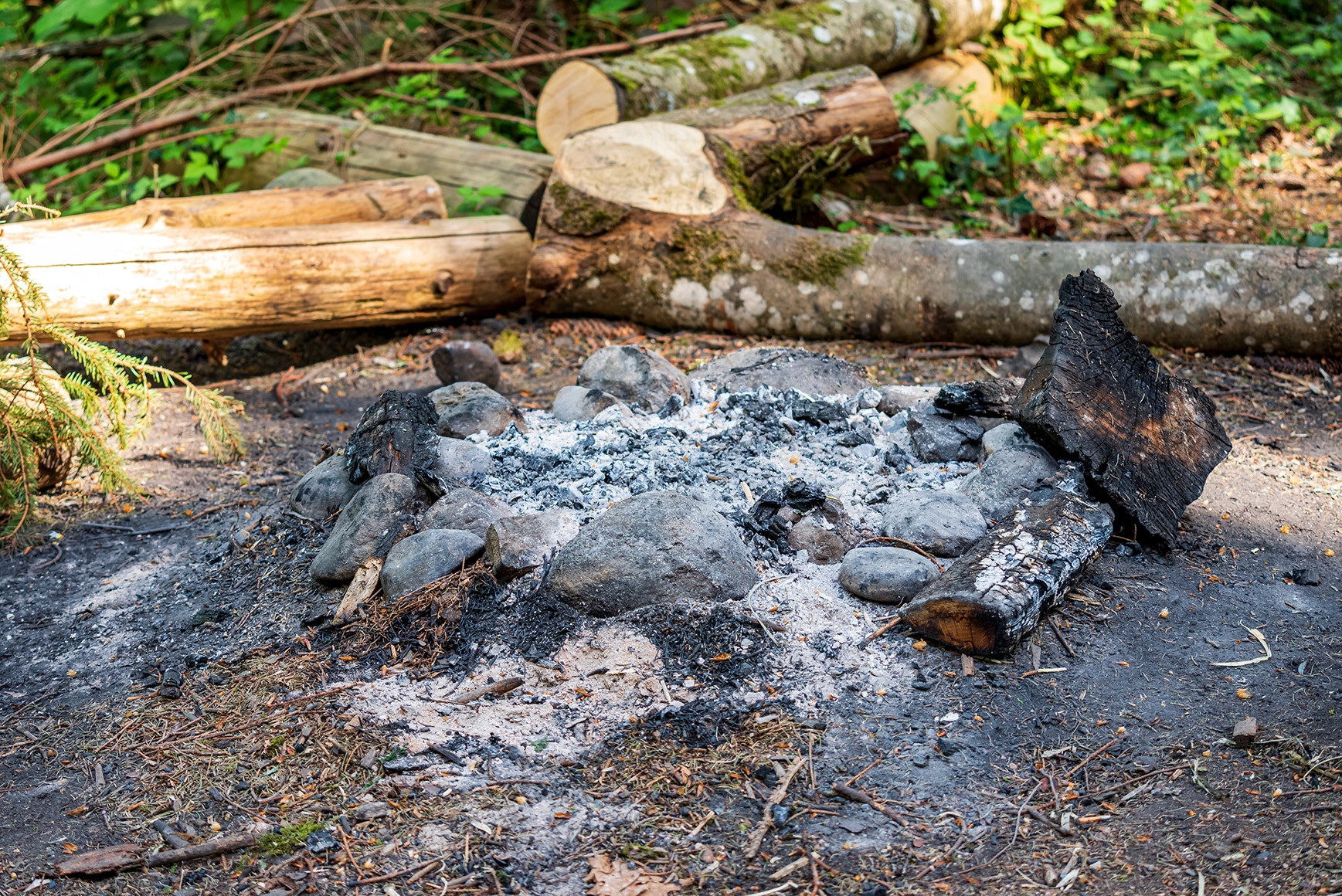
Wood ash is a surprisingly useful byproduct of a campfire or wood stove, and for centuries it was considered a valuable household resource rather than waste. When used correctly and in moderation, it can serve practical purposes around the home, garden, and even in survival or off-grid situations.
One of the most common uses of wood ash is in gardening and soil improvement. Ash from clean, untreated hardwood contains potassium, calcium, and trace minerals that can benefit certain soils. It is especially useful for acidic soil, as wood ash raises pH and acts similarly to lime. Gardeners often spread small amounts around fruit trees, lawns, or crops like tomatoes and root vegetables. It should be used sparingly, however, since too much ash can make soil overly alkaline and harm plants that prefer acidic conditions.
Wood ash also has many household and maintenance uses. Its fine, mildly abrasive texture makes it effective for cleaning greasy cookware, polishing metal, or scrubbing glass and fireplace doors. Mixed with a little water, ash can remove soot and grime without harsh chemicals. In winter, ash can be spread on icy walkways or driveways to improve traction, making it a traditional alternative to salt that is less corrosive to concrete and metal.
In traditional and survival contexts, wood ash plays an even broader role. It can be used to make lye for soap production, help preserve food through historical methods like nixtamalization, deter pests such as slugs and ants, and reduce odors in compost piles or latrines. Ash can also be added to compost to balance acidity and provide minerals, as long as it’s mixed well and not overapplied.
The key to using wood ash safely is knowing its source and limits. Only ash from clean, untreated wood should be reused, and it should never be inhaled or applied excessively. When handled thoughtfully, wood ash is a versatile, low-cost resource that turns the leftovers of a fire into something genuinely useful rather than something to throw away.
View all 0 comments
 0 0 0 0 0
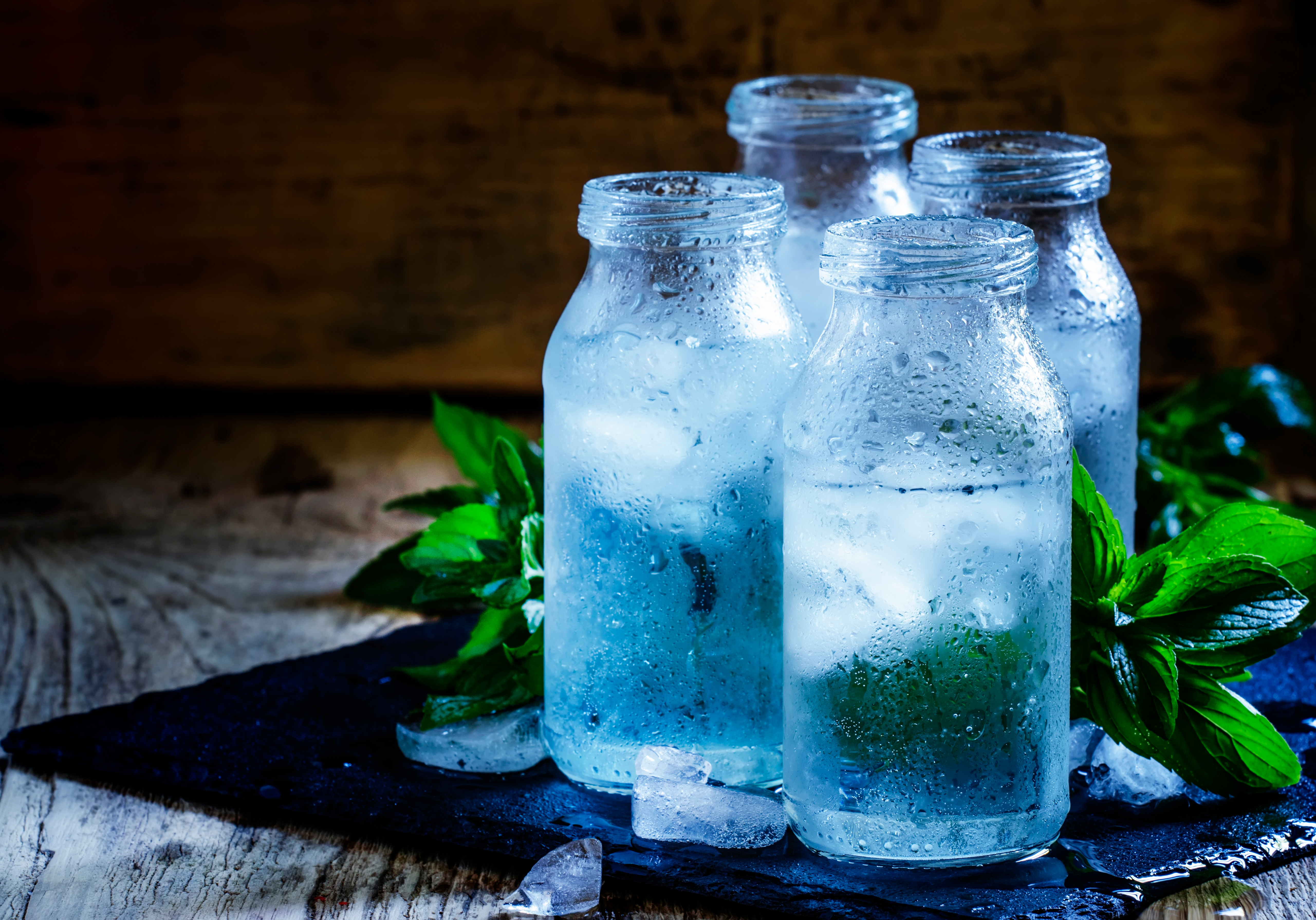
When you’re alone in the woods, securing safe drinking water becomes one of your most critical survival priorities. The first step is collecting water from the best source available. Flowing water—such as a stream or creek—is generally safer than stagnant water like ponds or puddles, though no natural source should be considered safe without treatment. Rainwater can also be collected using tarps, leaves, or improvised containers, and melting snow or ice is another option (though it should still be treated). Always try to gather water upstream from human activity or animal trails, and avoid areas where water appears oily, discolored, or foul-smelling.
Once collected, the water should be filtered to remove sediment, insects, and organic debris. In a survival situation, this can be done by pouring the water through layers of cloth, bandanas, or even natural materials like sand, charcoal from a fire, and small stones layered in a container. Filtration alone does not remove bacteria, viruses, or parasites, but it significantly improves clarity and makes disinfection more effective. Clear water heats more evenly and allows chemical treatments to work properly, reducing the risk of illness.
The final and most important step is disinfection, which kills harmful microorganisms. Boiling is the most reliable method: bringing water to a rolling boil for at least one minute (or longer at higher elevations) will neutralize most pathogens. If fire is unavailable, chemical methods such as iodine tablets, chlorine drops, or even unscented household bleach (used sparingly and carefully) can be effective. Sunlight can disinfect water through a method called solar water disinfection (SODIS), which uses UV radiation and heat to inactivate many bacteria, viruses, and parasites—but it takes hours, not minutes, and conditions matter. By consistently collecting wisely, filtering thoroughly, and disinfecting carefully, you can greatly reduce the risk of waterborne illness and improve your chances of long-term survival in the wild.
View all 0 comments
0 0 0 0 0When you’re alone in the woods, securing safe drinking water becomes one of your most critical survival priorities. The first step is collecting water from the best source available. Flowing water—such as a stream or creek—is generally safer than stagnant water like ponds or puddles, though no natural source should be considered safe without treatment. Rainwater can also be collected using tarps, leaves, or improvised containers, and melting snow or ice is another option (though it should still be treated). Always try to gather water upstream from human activity or animal trails, and avoid areas where water appears oily, discolored, or foul-smelling.
Once collected, the water should be filtered to remove sediment, insects, and organic debris. In a survival situation, this can be done by pouring the water through layers of cloth, bandanas, or even natural materials like sand, charcoal from a fire, and small stones layered in a container. Filtration alone does not remove bacteria, viruses, or parasites, but it significantly improves clarity and makes disinfection more effective. Clear water heats more evenly and allows chemical treatments to work properly, reducing the risk of illness.
The final and most important step is disinfection, which kills harmful microorganisms. Boiling is the most reliable method: bringing water to a rolling boil for at least one minute (or longer at higher elevations) will neutralize most pathogens. If fire is unavailable, chemical methods such as iodine tablets, chlorine drops, or even unscented household bleach (used sparingly and carefully) can be effective. Sunlight can disinfect water through a method called solar water disinfection (SODIS), which uses UV radiation and heat to inactivate many bacteria, viruses, and parasites—but it takes hours, not minutes, and conditions matter. By consistently collecting wisely, filtering thoroughly, and disinfecting carefully, you can greatly reduce the risk of waterborne illness and improve your chances of long-term survival in the wild.
View all 0 comments
0 0 0 0 0When you’re alone in the woods, securing safe drinking water becomes one of your most critical survival priorities. The first step is collecting water from the best source available. Flowing water—such as a stream or creek—is generally safer than stagnant water like ponds or puddles, though no natural source should be considered safe without treatment. Rainwater can also be collected using tarps, leaves, or improvised containers, and melting snow or ice is another option (though it should still be treated). Always try to gather water upstream from human activity or animal trails, and avoid areas where water appears oily, discolored, or foul-smelling.
Once collected, the water should be filtered to remove sediment, insects, and organic debris. In a survival situation, this can be done by pouring the water through layers of cloth, bandanas, or even natural materials like sand, charcoal from a fire, and small stones layered in a container. Filtration alone does not remove bacteria, viruses, or parasites, but it significantly improves clarity and makes disinfection more effective. Clear water heats more evenly and allows chemical treatments to work properly, reducing the risk of illness.
The final and most important step is disinfection, which kills harmful microorganisms. Boiling is the most reliable method: bringing water to a rolling boil for at least one minute (or longer at higher elevations) will neutralize most pathogens. If fire is unavailable, chemical methods such as iodine tablets, chlorine drops, or even unscented household bleach (used sparingly and carefully) can be effective. Sunlight can disinfect water through a method called solar water disinfection (SODIS), which uses UV radiation and heat to inactivate many bacteria, viruses, and parasites—but it takes hours, not minutes, and conditions matter. By consistently collecting wisely, filtering thoroughly, and disinfecting carefully, you can greatly reduce the risk of waterborne illness and improve your chances of long-term survival in the wild.
View all 0 comments
 0 0 0 0 0
"ed ut perspiciatis unde omnis iste natus error sit voluptatem accusantium doloremque laudantium, totam rem aperiam, eaque ipsa quae ab illo inventore veritatis et quasi architecto beatae vitae dicta sunt explicabo. Nemo enim ipsam voluptatem quia voluptas sit aspernatur aut odit aut fugit, sed quia consequuntur magni dolores eos qui ratione voluptatem sequi nesciunt. Neque porro quisquam est, qui dolorem ipsum quia dolor sit amet, consectetur, adipisci velit, sed quia non numquam eius modi tempora incidunt ut labore et dolore magnam aliquam quaerat voluptatem. Ut enim ad minima veniam, quis nostrum exercitationem ullam corporis suscipit laboriosam, nisi ut aliquid ex ea commodi consequatur? Quis autem vel eum iure reprehenderit qui in ea voluptate velit esse quam nihil molestiae consequatur, vel illum qui dolorem eum fugiat quo voluptas nulla pariatur?
View all 0 comments
Page 1 of 0 22 Total Records |

